A new initiative for mapping and monitoring wetland ecosystems
The first glimpse of a transformational approach to global wetland monitoring
On World Wetlands Day 2026, Global Wetland Watch (GWW) is sharing a preview of its data, designed to make wetlands more visible, better understood, and easier to track over time, from local to global scales.
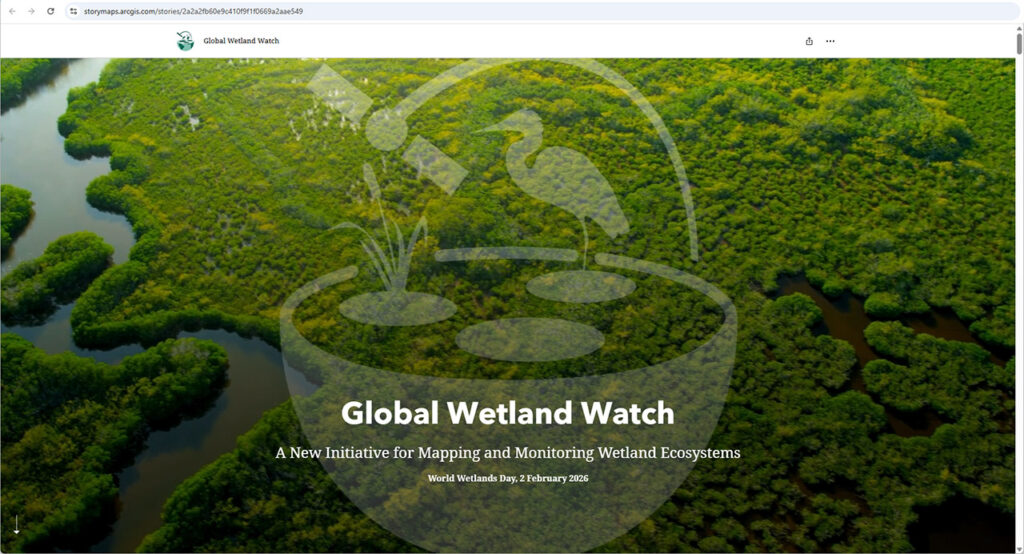
Discover what’s possible with Global Wetland Watch:
Visit https://storymaps.arcgis.com
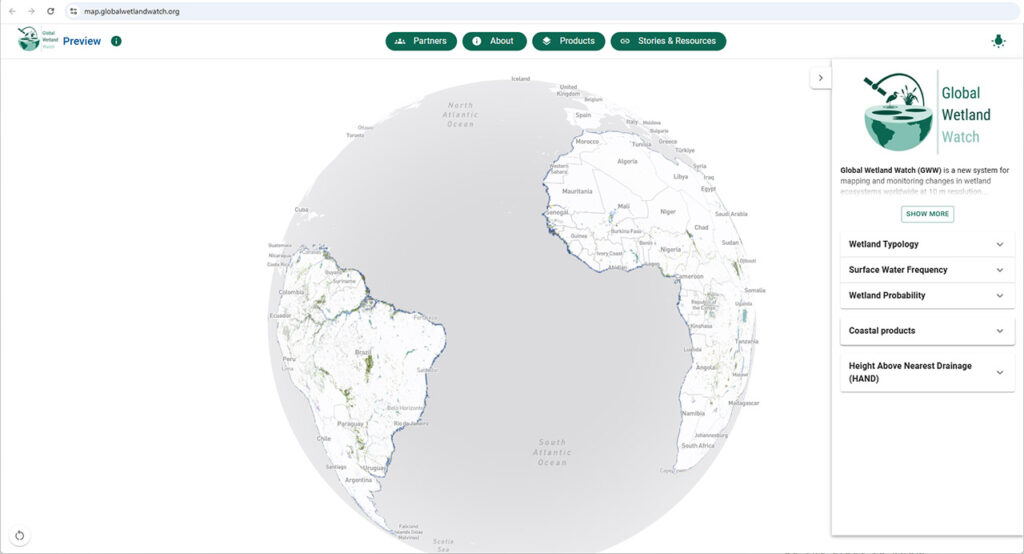
Explore the Global Wetland Watch data preview:
Visit map.globalwetlandwatch.org
The full Global Wetland Watch system, including global data coverage, statistical dashboards, data and reporting tools as well as further documentation and analysis features, will be launched in December 2026.
An open invitation to collaborate
Global Wetland Watch is built through collaboration between UNEP, the UNEP-DHI Centre, DHI, and a growing partner network. We extend our sincere thanks to the Google Earth Engine team and Google.org for their support and funding of this initiative. We would also like to express our gratitude to the GEO wetland community for helping shape how we address the wetland challenges we face. Please share your feedback and help us shape how the initiative develops.
On World Wetlands Day 2026, Global Wetland Watch (GWW) is sharing a preview of its data, designed to make wetlands more visible, better understood, and easier to track over time,
As part of our ongoing efforts under the Global Wetland Watch (GWW) initiative, we recently undertook a national consultation and coordination visit across Australia.